Electronic waste, or e-waste, is a growing concern in our digital age. Proper recycling of electronics is crucial for environmental protection and resource conservation. This guide will walk you through the process of how electronics are recycled, from collection to the repurposing of materials.
Electronics recycling, also known as e-waste recycling, is the process of recovering materials from discarded electronic devices and repurposing them for use in new products. This practice is crucial for several reasons:

It prevents harmful materials in electronics from polluting landfills and ecosystems.
It recovers valuable materials like gold, silver, copper, and rare earth elements, reducing the need for new raw material extraction.
Recycling materials often requires less energy than producing new materials from scratch.
It minimizes the volume of waste in landfills, which are rapidly filling up in many parts of the world.
The recycling industry creates jobs and can be a source of valuable recovered materials.
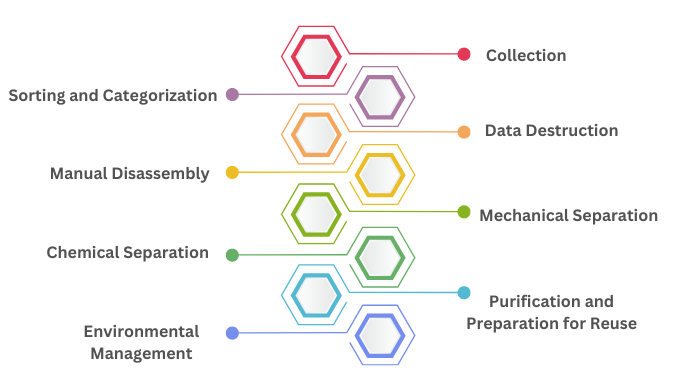
The recycling of electronics is a complex and multi-faceted process designed to recover valuable materials while safely managing potentially hazardous components. This guide outlines the 8 key steps involved in electronics recycling, from initial collection to final material preparation. These steps are:
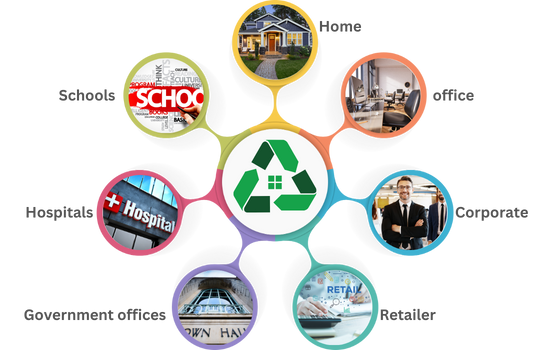
The first step in electronics recycling is gathering devices from various sources. This process involves multiple collection channels and draws from diverse locations where electronic devices are used and discarded.
Many people and organizations contribute to this stage by responsibly disposing of their old or broken electronic devices.
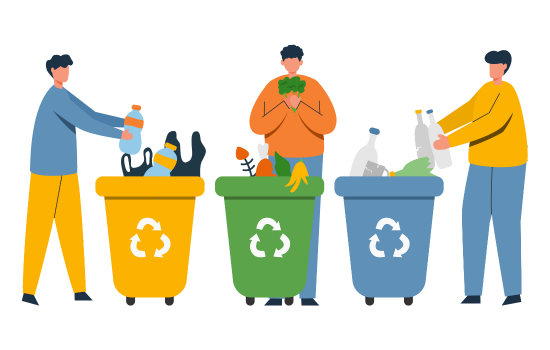
Once collected, the electronics undergo a detailed sorting and categorization process. This step is crucial for streamlining the subsequent recycling stages and determining the appropriate treatment for each item.
Sorting criteria include:
Data security is a critical concern in electronics recycling. This step focuses on ensuring that all data-storing devices undergo secure data destruction to protect personal and corporate information.
Data destruction methods:

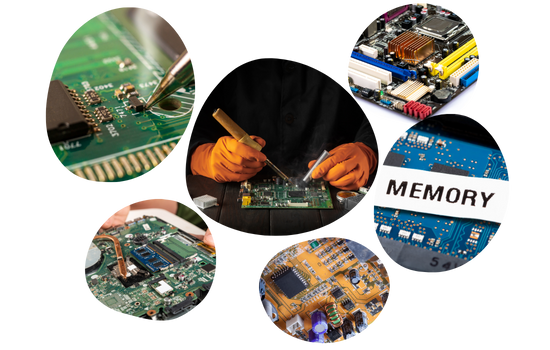
Skilled technicians perform manual disassembly, carefully separating different components and materials. This hands-on approach allows for the preservation of valuable parts and the isolation of hazardous materials.
Key aspects of manual disassembly:
After manual disassembly, the remaining materials undergo mechanical separation processes to further break down and sort the components. This step involves various automated techniques to efficiently process large volumes of e-waste.
Mechanical separation processes include:

Some valuable materials in electronics require chemical processes for extraction. This step is particularly important for recovering precious metals and rare earth elements from circuit boards and other complex components.
Chemical separation techniques:
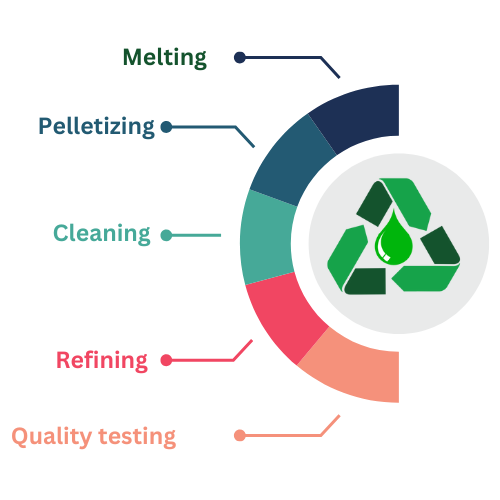
The separated materials undergo purification processes to prepare them for reuse in manufacturing new products. This step ensures that the recovered materials meet the quality standards required for various applications.
Purification and preparation processes:
Throughout the recycling process, responsible facilities implement strict environmental controls to minimize the impact on the environment and protect worker health. These measures are crucial due to the potential hazards associated with e-waste.
Environmental management practices:
Electronics recycling is a complex but essential process in our modern world. By following these steps, recycling facilities can recover valuable materials, protect the environment, and contribute to a more sustainable future. As consumers, we play a crucial role by ensuring our old electronics reach these proper recycling channels.